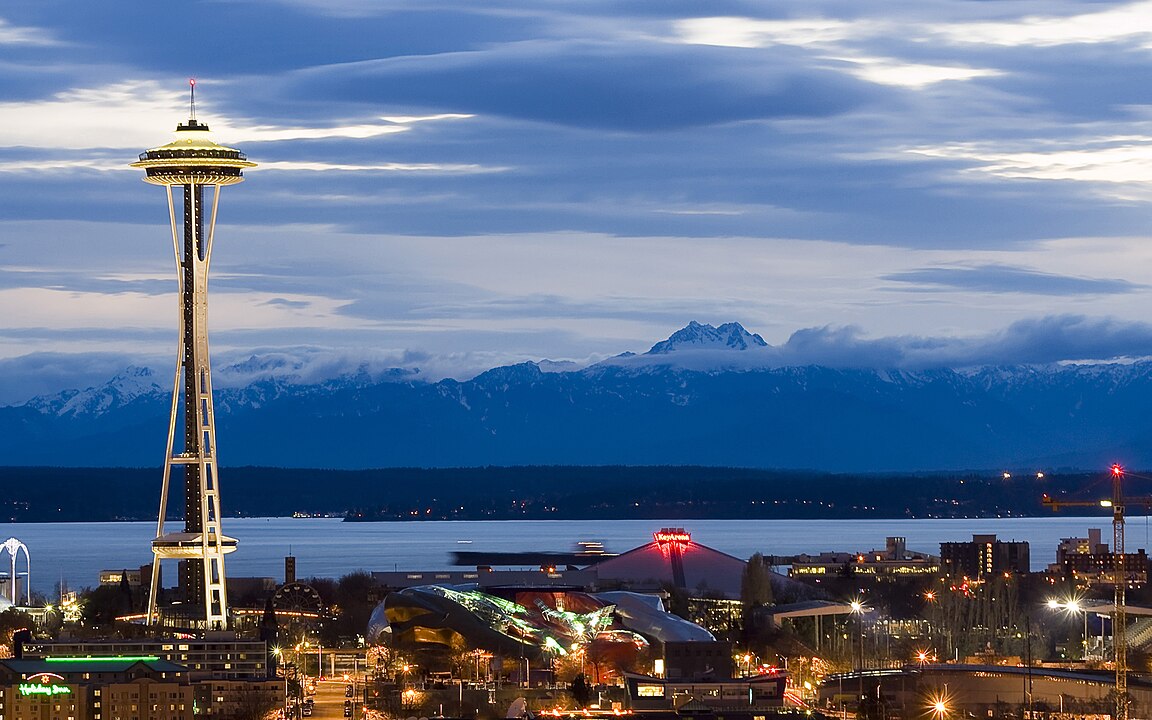
Spend a day driving across Washington State and you'll witness one of the most astonishing climate divides in North America. Seattle, known for its never-ending drizzle and lush evergreen forests, sits just a few hundred kilometers west of the semi-arid steppes of Eastern Washington. At first glance, their similar latitude should mean similar weather—but geography tells a different story.

The Key Factor: The Rain Shadow Effect
The rain shadow effect is the crucial mechanism behind Washington’s climatic split. The colossal Cascade Mountains stretch north to south, forming a huge barrier to prevailing westerly winds from the Pacific. These winds absorb moisture over the ocean, and as they meet the western slopes of the Cascades, they're forced upward. Rising air cools and drops its moisture as rain and snow, creating a lush temperate rainforest in western Washington.
Once the air crosses the summit, it descends rapidly down the eastern slopes. The process warms and dries the air, leaving almost no moisture for the regions beyond. Eastern Washington receives less than 10 inches of rain per year—compared to up to 150 inches in Seattle and the Cascades. Vegetation flips from rainforest to sagebrush in a matter of hours.
The Human Impact
This divide shapes lives and livelihoods. Western Washington’s abundant rainfall sustains rich forests and crops needing lots of water. Eastern Washington must rely on irrigation for agriculture and faces frequent water scarcity. The climate even influences culture: coffee shops and raincoats dominate Seattle, while farming and outdoor pursuits shape life east of the mountains.
Rain Shadows Around the World
Washington’s climate divide is no fluke—the rain shadow effect has shaped major landscapes globally:
- Atacama Desert, Chile: Leeward of the Andes, one of Earth’s driest places.
- Tibetan Plateau: Sheltered by the towering Himalayas.
- Owens Valley, California: In the rain shadow of the Sierra Nevada.
- Patagonia, Argentina: Dry due to the Andes’ effect.
Geography, not just latitude, dictates weather. Mountain ranges can turn wet regions into deserts, and rain shadows explain countless climate puzzles—making our planet richly diverse even within a short drive.